

Cab Booking App Development Guide: From Idea to Launch
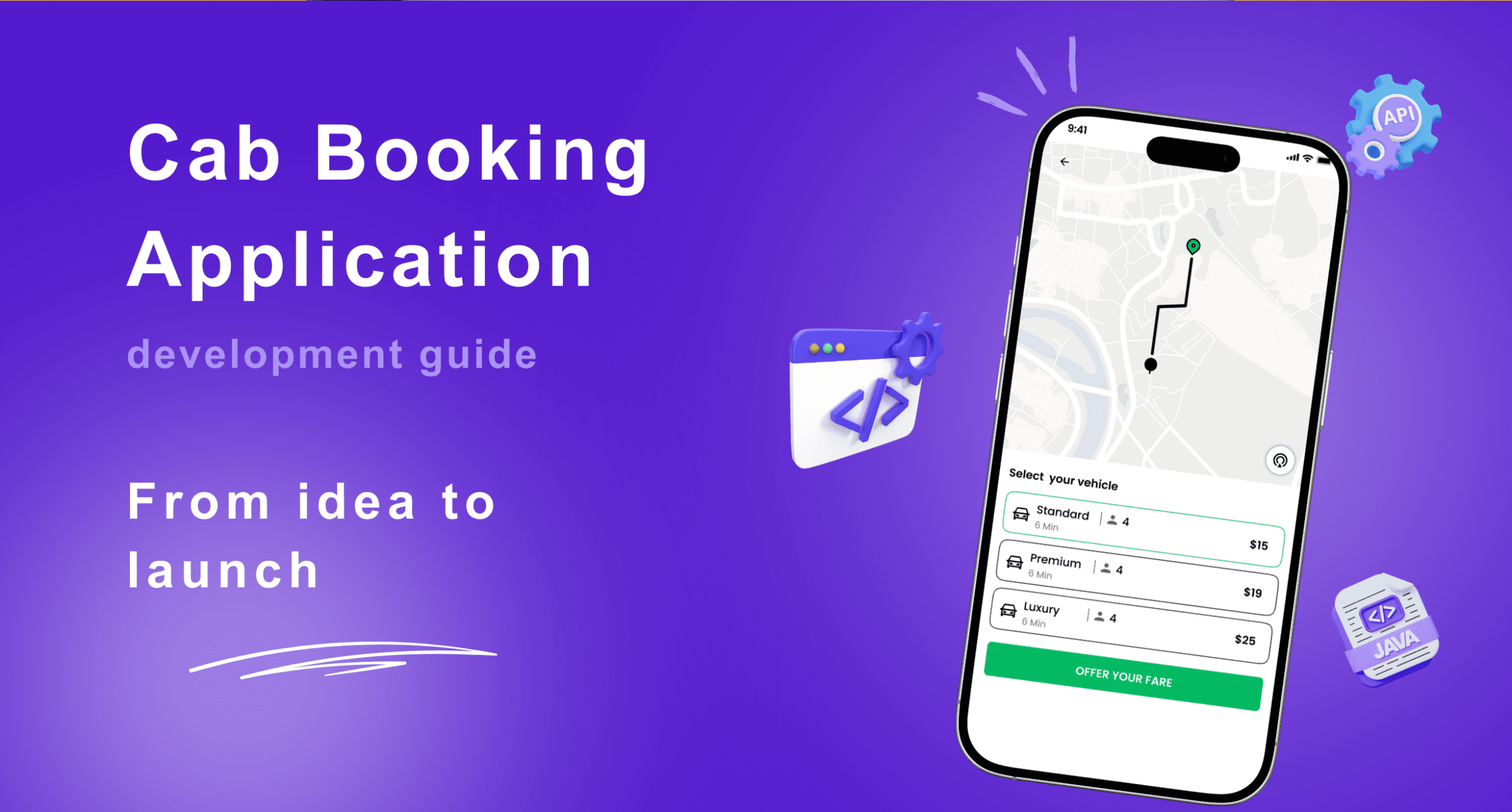
Cab Booking App Development Guide | From Idea to Launch
The transportation industry has been transformed with the rise of cab booking apps like Uber, Lyft, and Bolt. These apps have redefined how people travel, offering convenience, safety, and affordability. If you are an entrepreneur or business owner looking to enter this booming sector, understanding the cab booking app development process is crucial. From brainstorming an idea to launching a full-fledged app, this guide will walk you through every step.Why Invest in a Cab Booking App?
Before diving into the development process, let’s understand why creating a cab booking app is a profitable opportunity:- Growing demand—More people prefer booking cabs over owning cars due to convenience.
- Revenue potential—Cab apps generate income through commission, subscriptions, surge pricing, and ads.
- Market growth—The global ride-hailing market is projected to reach $350+ billion by 2030.
- Scalability—Once built, an app can easily expand across regions with localization features.
Key Features of a Successful Cab Booking App
A strong feature set makes or breaks your app. Here are must-have features for each panel:1. User Panel Features
- Easy signup/login with phone, email, or social media.
- Real-time cab booking and scheduling.
- GPS navigation and live tracking.
- Multiple payment options (credit card, wallet, UPI, PayPal).
- Ride history and invoices.
- In-app chat/call with driver.
- Ratings & reviews for driver experience.
2. Driver Panel Features
- Quick profile registration & verification.
- Accept/reject ride requests with one tap.
- Navigation support with route optimization.
- Earnings dashboard.
- Availability toggle (online/offline).
- Trip history.
3. Admin Panel Features
- Complete user & driver management.
- Analytics dashboard for real-time insights.
- Fare management and commission settings.
- Promo codes & discounts.
- Dispute resolution tools.
- Reports for business performance.
Step-by-Step Guide: Cab Booking App Development
Building a cab booking app involves multiple phases. Let’s break it down:Step 1: Market Research and Idea Validation
Before development, analyze:- Target audience (urban commuters, corporate clients, tourists).
- Competitors (Uber, Lyft, Bolt, and regional players).
- Gaps in the current market (better fares, eco-friendly cabs, women-only rides).
- Validating your idea ensures that your app solves real-world problems.
Step 2: Define Your App Model
There are different business models for cab booking apps:- Aggregator Model – Connect drivers with passengers (like Uber).
- Ownership Model – The company owns cabs and drivers.
- Hybrid Model—a mix of both, allowing scalability.
Step 3: Select Core Features
Avoid feature overload initially. Focus on an MVP (Minimum Viable Product) that includes only essential features like booking, payments, and GPS. Later, you can add advanced options like- AI-based fare predictions.
- Loyalty programs.
- Corporate tie-ups.
- Multi-language support.
Step 4: Choose the Technology Stack
The tech stack plays a vital role in your app’s performance.- Frontend: React Native / Flutter (cross-platform)
- Backend: Node.js / Django / Laravel
- Database: MongoDB / PostgreSQL / MySQL
- APIs: Google Maps, Twilio (SMS/OTP), Stripe/PayPal (payments)
- Cloud Hosting: AWS / Google Cloud / Azure
Step 5: UI/UX Design
Your app should be simple, attractive, and user-friendly. The design phase includes:- Wireframing app screens.
- Designing intuitive navigation.
- Ensuring responsive layouts for iOS & Android.
- Prioritizing accessibility for all users.
Step 6: Development Phase
This is where your idea comes to life. Development is usually divided into:- Frontend Development – User-facing screens (booking, maps, profile).
- Backend Development—Servers, databases, and APIs for real-time functionality.
- Integration—Payments, GPS tracking, authentication.
Step 7: Testing & Quality Assurance
Testing is essential to ensure a bug-free experience. QA includes:- Functional testing—Ensures every feature works properly.
- Performance testing – The app works smoothly under heavy load.
- Security testing—protects user data and transactions.
- Usability testing—Confirms app is easy to navigate.
Step 8: Deployment & Launch
Once testing is done, the app is deployed to:- Google Play Store (Android)
- Apple App Store (iOS)
- Marketing campaigns (Google Ads, Facebook Ads).
- Partnerships with drivers or cab companies.
- Early user discounts to attract riders.
Step 9: Post-Launch Support & Maintenance
Your app doesn’t stop evolving after launch. Continuous maintenance is key:- Fixing bugs.
- Updating features.
- Enhancing security.
- Adding user-requested improvements.
- This ensures long-term success in a competitive market.
Cost of Cab Booking App Development
The cost depends on factors like- Features and complexity.
- Design requirements.
- Chosen tech stack.
- Development team location.
Future Trends in Cab Booking Apps
To stay ahead of the competition, consider these upcoming trends:- Electric Vehicle (EV) Integration – Eco-friendly cab options.
- AI & Machine Learning – Smart fare calculations and demand prediction.
- Blockchain Payments—Secure and transparent transactions.
- Ride Sharing & Carpooling—Sustainable travel solutions.
- Voice Assistants – Book cabs using Alexa or Google Assistant.
Final Thoughts
Building a cab booking app is a strategic move in today’s digital economy. By following a structured approach—from idea validation, design, and development to launch and maintenance—you can create a powerful app that meets customer needs and scales globally. Whether you’re an entrepreneur, taxi business owner, or startup, investing in cab booking app development can unlock endless opportunities in the growing mobility industry.About Canws -
We specialise in delivering exceptional services, from web development and mobile app development to digital marketing.

Mrs. Prabhleen Firani
CEORecent Blogs -
Discover the latest insights and trends in our recent posts, where we delve into a variety of topics that matter to you.

Chauffeurs Luxury Rides
How Chauffeur Booking Applications Are Changing the Future of Luxury Travel
Mobile App Development
From Idea to Launch: Developing AI-Powered Applications with CANWS
On Demand Services Mobile Application
Why On-Demand Service Apps Are the Future of Modern Businesses?
Classified App Development
